Author: Anne

  • Off we go into the wild blue yonder

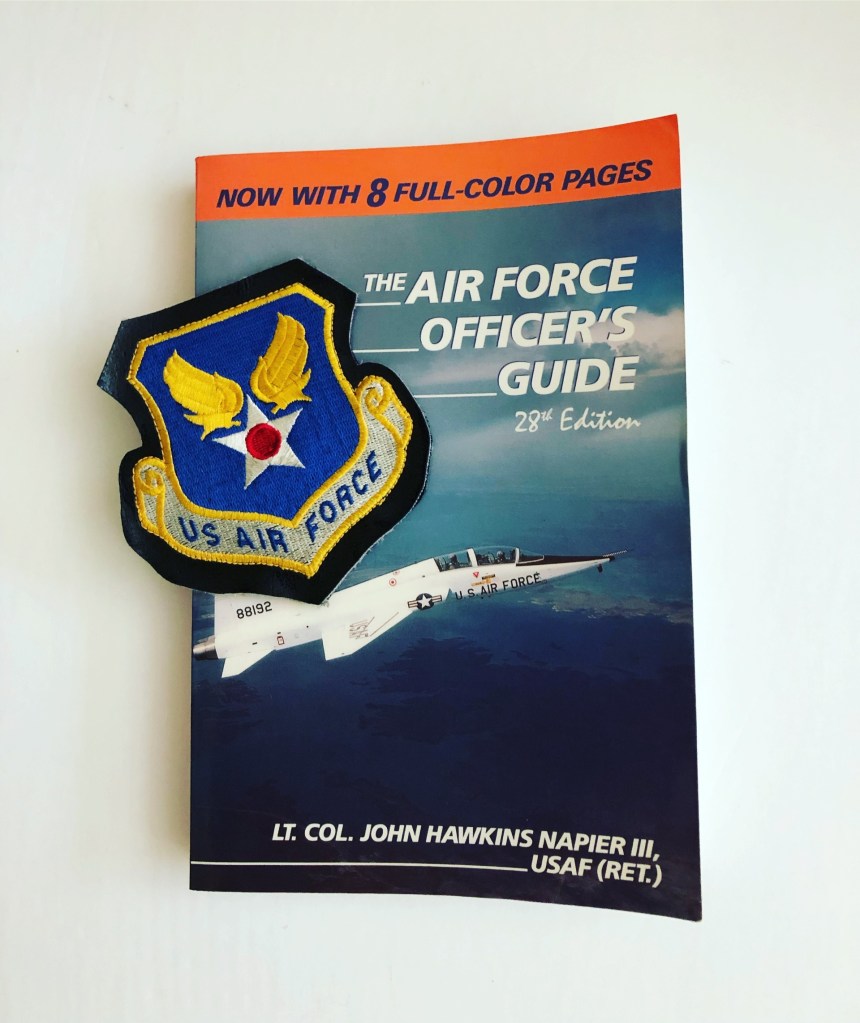
    Thirty-six years ago today, I was commissioned a 2nd lieutenant in the U.S. Air Force. As Wellington might have put it, it was a bit of a close-run thing.

    Not particularly athletic or assertive or neat (don’t think I’ve made a hospital corner since), I managed to make it through officer training. My abilities as a communicator came in handy. And, most important, the members of my flight were pulling for me, too.

    We played the games (literally and figuratively), polished the floors and shined our shoes. We ran and marched and fought to stay awake in classes held in the auditorium dubbed “The Big Blue Bedroom” until the day on June 22 when we became officers. Afterwards, we scattered to our respective training schools before our first duty assignments. The year was 1989, the Cold War was on, there was work to do.

    But right before we got released to the real Air Force, our dorm was discovered to be in urgent need of a thorough cleaning — even though regular cleaning was part of the drill. And wouldn’t you know, this deep scrub required dedicated effort into the wee hours. This was the final chance to show us who was in charge as long as we were trainees, I guess. Even though logic had to be suspended at various times to stay with the program, this exercise struck me as especially gratuitous and silly.

    At breakfast the next day, I wondered aloud to my companions if the powers that be would station people at the gate to give us a swift kick in the you know what on the way out. A member of my team I particularly admired — prior-enlisted, squared-away, intelligent, nice fellow — said, “You’re going to make a good officer.” Thinking back, I’m not sure why my sarcasm elicited his vote of confidence. But it meant the world then and remains among my treasured memories.

    I retired quite a few years back — and hope I lived up to my classmate’s prediction. In the “real Air Force,” I discovered many others like him.

    Over the past couple days, airmen have moved into the national consciousness, front and center, with seemingly all eyes on Iran.

    I wasn’t a pilot, but I was fortunate to meet quite a few of them. And so I’ve thought a lot about the young pilots who would have occupied the various aircraft — in the B-2s’ case, departing, remarkably, from America’s heartland bound for a potentially hostile target a world away. Of course, it took more than bomber pilots. Sailors were part of the action, along with pilots in refueling tankers and high-tech fighters, along with an array of support folks who are critical to such complex missions. What a mission it was — ensuring nukes can’t rain down on us, our allies or anyone else.

    While a lot has probably changed since I left the service, I have no doubt the people responsible for the campaign’s success resemble the superbly competent and reassuringly confident person I admired so much from my training days. They remain the biggest reason why, as has been rightly observed, only America could have carried out the mission we saw executed in recent days.

    In your profession’s beginning days, was there someone you look back upon as a source of inspiration?
  • Reflecting on the U.S. Army’s Legacy: A Personal Encounter

    My mind was foggy, sleep-deprived from jet lag and work. So I was caught off guard when a tall, slim camouflage-clad figure appeared out of nowhere. “Major?” “Yes.” “I’m Sgt. Copperidge and I want to thank you for mentioning me in the speech.”

    “The speech” was one to be given by my boss, at this American base in Germany, to soldiers supporting the war in Iraq. Sgt. Copperidge had found his way into the speech while it was being drafted in the Pentagon weeks earlier. This was 2004, so the details are a bit fuzzy now, but it seems his story went like this: While recuperating from battle injuries, he’d “liberated” himself from a military hospital and found a helicopter ride back to his unit, to rejoin his buddies who were headed for the front — the only place he wanted to be.

    Alas, I’d seen his story removed from the speech, for time, during final edits on the ground — a cut I felt deeply. And one I regretted even more as my mind connected this living, breathing figure with the written example of courage, resilience and pluck.

    And, now, somehow, here on this vast parade ground, in a sea of people, he’d made his way to me. To see this young soldier healthy and whole … almost jaunty … was a revelation. And humbling. You’re thanking me, I recall thinking. I write speeches. My tired mind searched for just the right thing to say. But before anything passed my lips, he left, practically vanished. But I registered his smile. I next remember tears welling up. Then and now I thank God for people like Sgt. Copperidge.

    Watching the U.S. Army’s 250th birthday celebration yesterday, I was struck by how young the soldiers seemed. How proud and confident. How happy everyone there seemed as our soldiers paraded by.

    I imagine they join me in gratitude to see a source of our strength continually renew itself across generations, humbled to know our service members voluntarily dedicate themselves to preserving what makes America America.

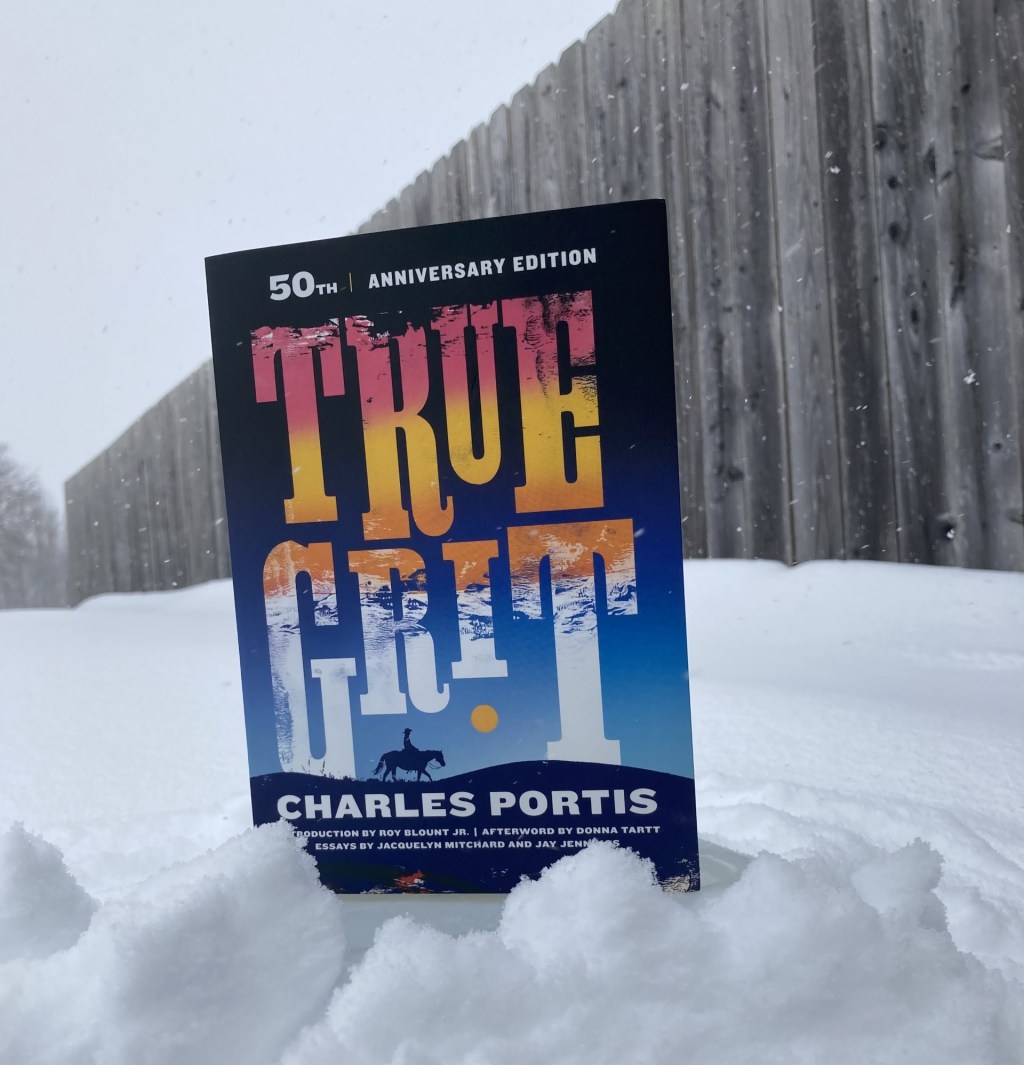
  • True Grit: One of the Best Western Novels of All Time

    True Grit: One of the Best Western Novels of All Time

    “People do not give it credence that a fourteen-year-old girl could leave home and go off in the wintertime to avenge her father’s blood but it did not seem so strange then, although I will say it did not happen every day.”

    Charles Portis’s classic Western novel only gets better from that opening line, especially with larger-than-life characters, like the “old one-eyed jasper that was built along the lines of Grover Cleveland” — aka Rooster Cogburn, U.S. Marshall, “the man with true grit” that young Mattie appoints to help her — help her, mind you — bring her father’s killer to justice.

    There’s the good-looking Texas Ranger who joins Mattie’s posse. He makes a comically bad first impression, but it turns out, he’s got grit, too.

    And, of course, there’s Mattie, who (to give you an idea of Portis’s gift for cadence) hails not far from Dardanelle, in Yell County, Arkansas. She’s got grit to spare and tells the story in her own deceptively simple, yet formal, voice, evoking a time long gone while revealing someone who’s brave and smart and as (unintentionally) droll as they come. It’s a gift to the reader and a triumph for Portis.

    Adding to this killer combo are Mattie’s supreme common sense and iron determination. She’s a force of nature in a lawless world, which means, as one reviewer put it, “literal anarchy doesn’t stand a chance.”

    I’ve seen both films, but thought the book is better, a delightful, touching surprise. It deserves its billing as a true classic, no matter the genre.

    That said, I can’t help but picture John Wayne as Rooster (even though Jeff Bridges’ portrayal was terrific).

    What are your favorite Western classics?

  • Cherished Family Moments: A Reflection on Fatherhood

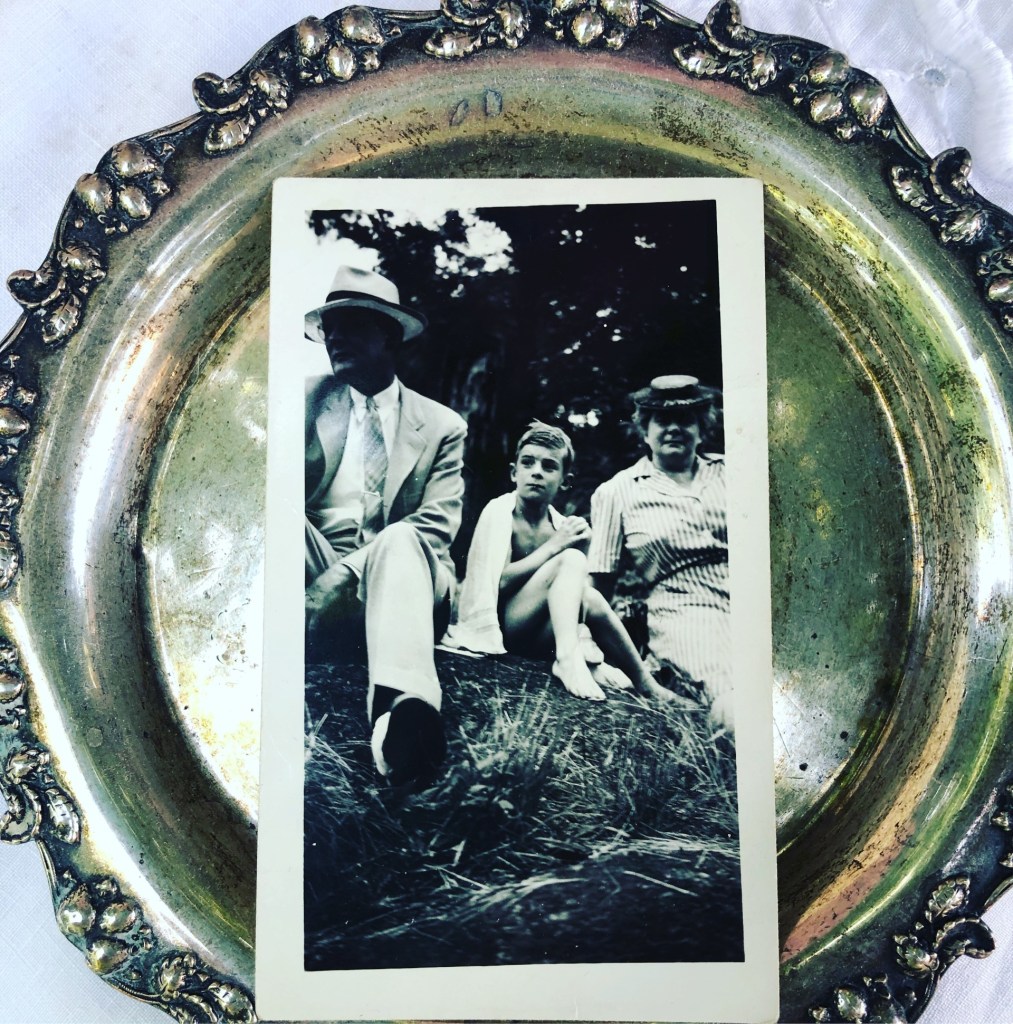
    My 7-year-old dad, in 1943, fresh from swimming, joins his parents on the grass during what must have been family day at the camp where he spent his summers. It may be the only photo I have of them together. I wish I knew what father and son are watching, in unison. And isn’t it just like mom to keep an eye on things closer to hand?

    I never saw my grandfather wear anything other than a suit; a hat was required whenever he went outside. That includes the day, years later, when he needed me, a newish driver, to take him to the eye doctor. When we were ready to leave the parking lot, the car, which had a manual transmission, somehow rolled forward over a little embankment and got stuck in some low-growing shrubs. The situation may have worsened when grandad got behind the wheel. I think I tried to discourage him — but he wouldn’t be put off. He tried gunning the engine, while branches punched a hole through the car near the front wheel, knocking off the wheel cover. No matter how much we tried, the car wouldn’t budge. We finally had to enlist the services of a tow truck to get the car free.

    When I arrived home to tell my father what happened, I carried the wheel cover with me. “There was a little accident,” I think I said. “Everyone alright?” dad replied. After I said yes, he asked: “Is that what’s left?” while nodding toward the object in my hand.

    It made me smile and relieved my anxiety all at once, giving me a jolt of courage to relate the mishap. Because it wasn’t just about the damaged car, but some kind of acknowledgement that my grandad, whom I loved dearly, was also a bit worse for wear. But he was a force, a personality, until the day he died, not long after. There were times when father and son may have been hard on each other, or misunderstood each other. But, not on that day.

    I remember a Father’s Day when my pastor reflected on how important the approval of a dad is in any child’s life. God the Father made his approval abundantly clear when Jesus was baptized. “This is my beloved son on whom my favor rests.”

    I think it’s hard for most to live up to that example. That’s why I think we must savor moments of tender mercies. I think they are clues as to the intentions that live deep in the heart of hearts.